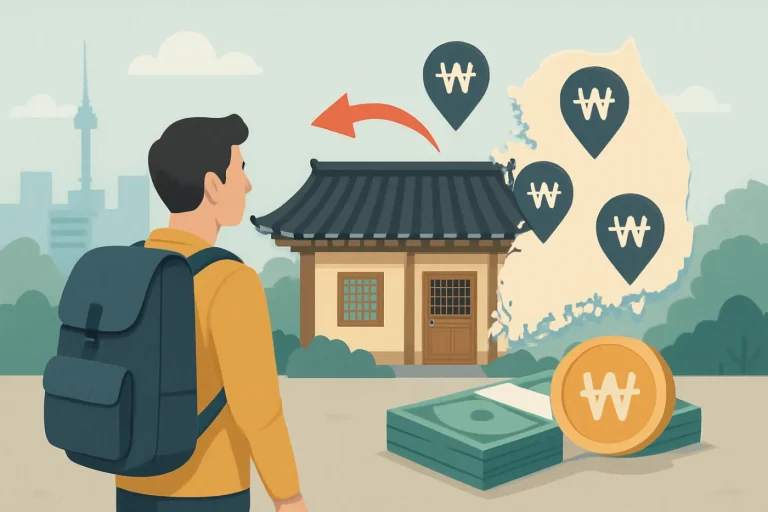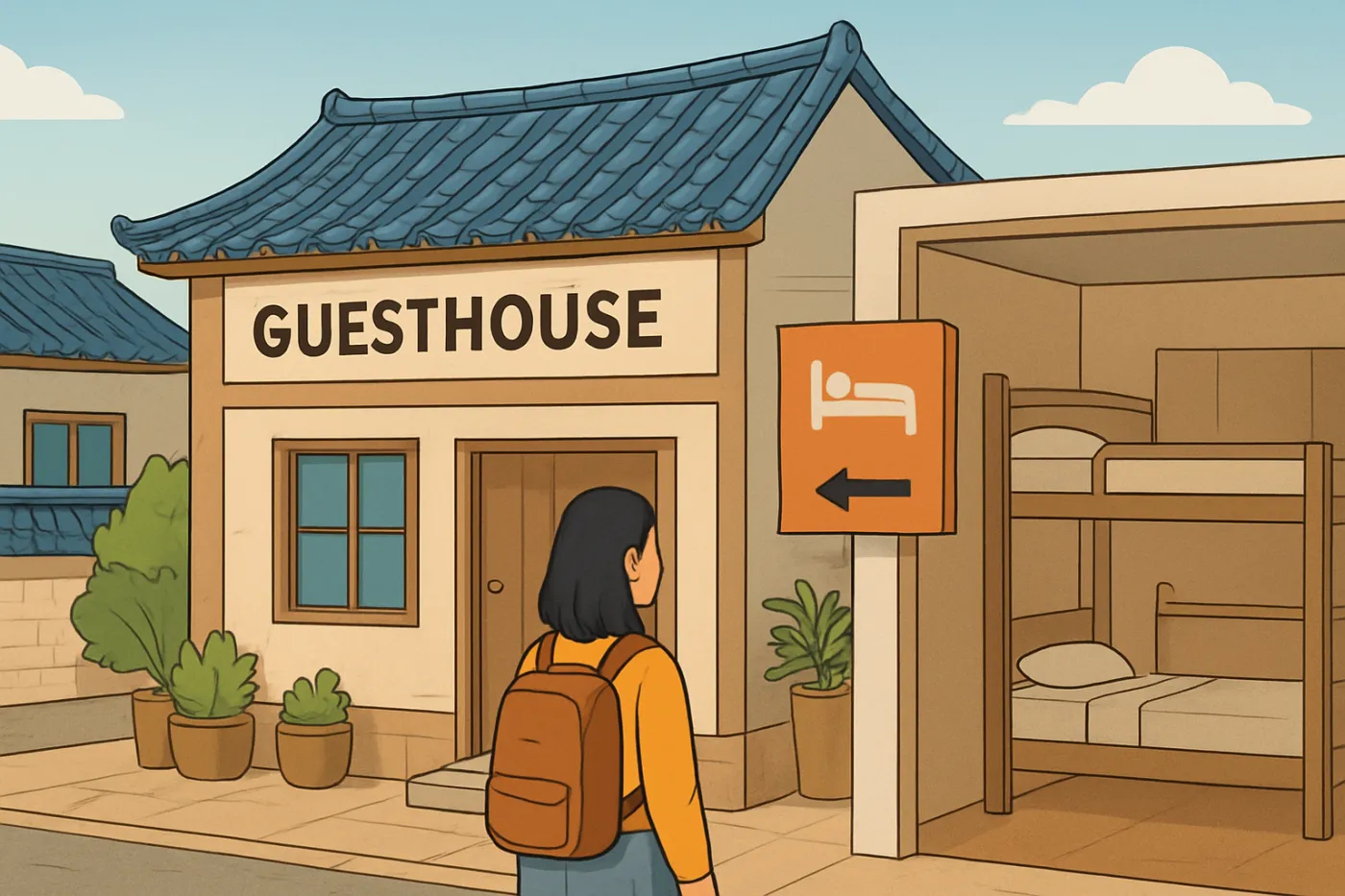
A guesthouse in Korea is a small, usually family-run place to stay that sits between a hostel and a simple bed-and-breakfast. You can book a bunk in a dorm or a basic private room, share common areas like a kitchen or lounge, and usually pay less than for a standard hotel in the same neighborhood. Many young Koreans and independent travelers use guesthouses as a base in Seoul, Busan, and other cities when they want a social, budget-friendly stay rather than full hotel service.
Guesthouse vs hotel vs hostel in Korea: which feels closer to your style
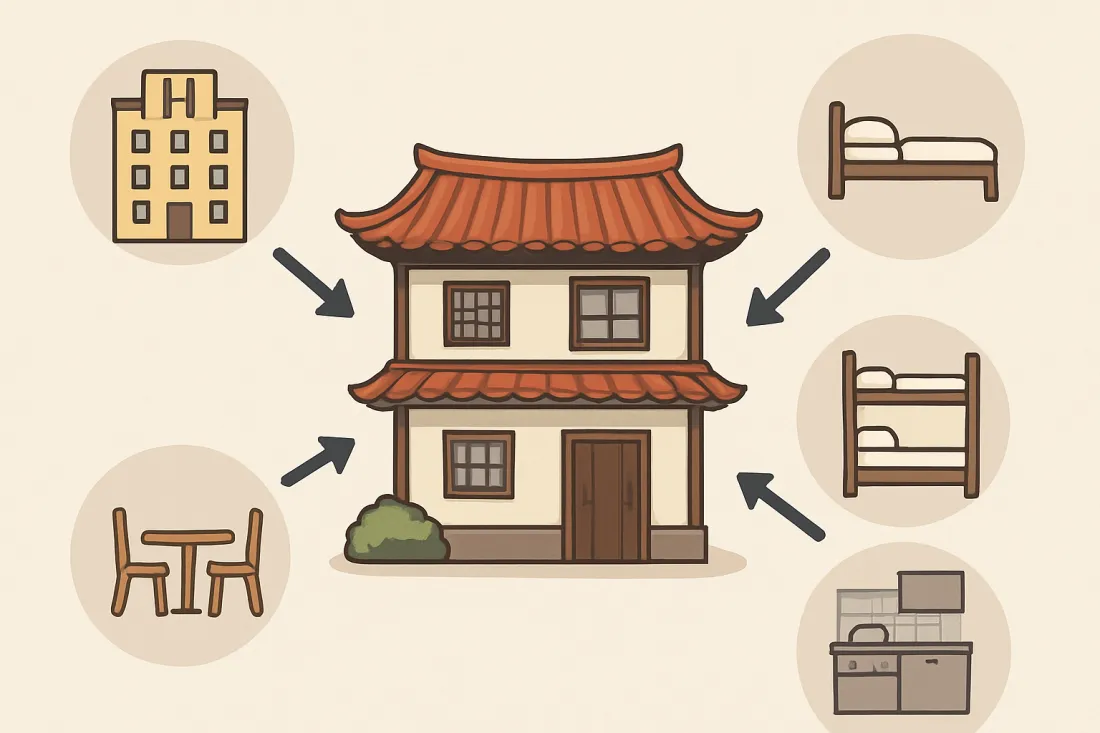
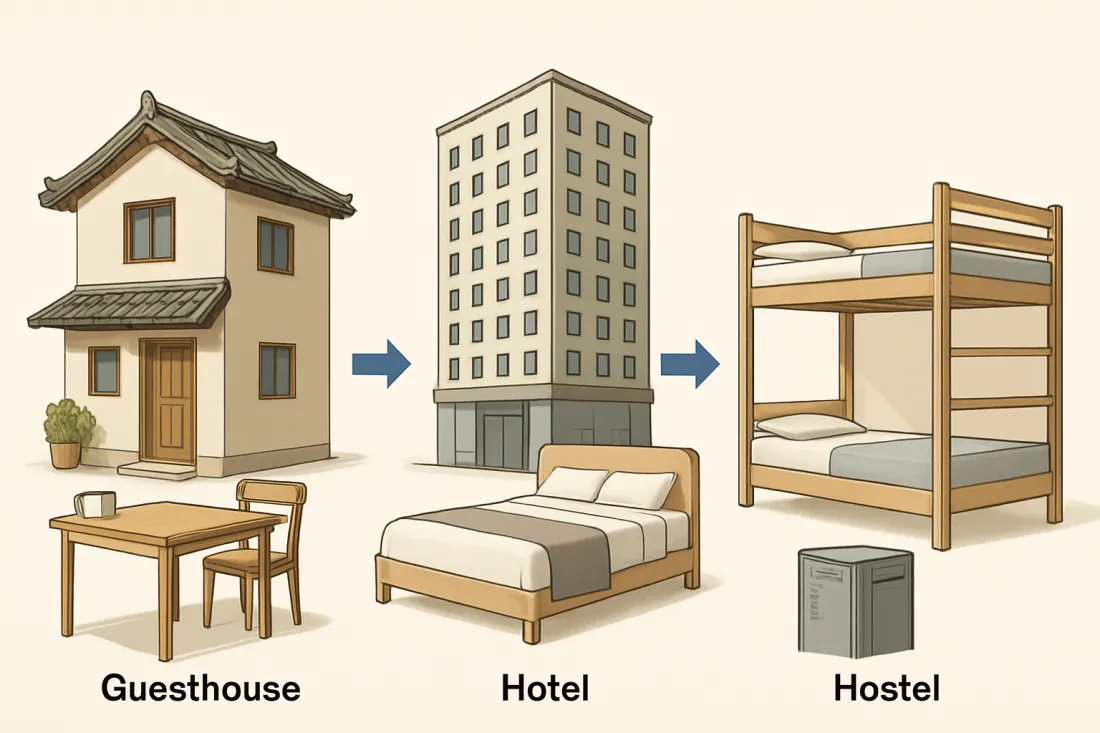
To decide if a Korean guesthouse fits your trip, compare it directly with hotels and classic hostels.
| Option | What it usually feels like | Best for | Main trade-offs |
|---|---|---|---|
| Korean guesthouse | Homey, small-scale, often run by a family or individual; mix of private rooms and dorms; shared kitchen or lounge common | Solo travelers, backpackers, digital nomads, sociable couples, small groups on a budget | Less privacy and soundproofing than hotels; shared bathrooms common; service is informal and depends on the owner |
| Hotel | Professional, more standardized rooms and service; private bathroom almost always; less social interaction with other guests | Couples, families, business travelers, anyone who values privacy and quiet over social atmosphere | Usually higher prices than guesthouses at similar locations; fewer chances to meet other travelers |
| Hostel (dorm-style) | Budget-focused, many bunk beds in shared rooms; very social; facilities can be simple or trendy depending on the place | Backpackers, very budget-conscious travelers, people who do not mind sharing a room with strangers | Least privacy; noise and late-night activity likely; comfort level varies a lot by property |
What “guesthouse” means in Korea in everyday use
The word “guesthouse” in Korea covers a few slightly different styles, but they share some common traits:
- Small scale: Many have only a handful of rooms or dorms, sometimes under ten rooms total.
- Personal interaction: You are more likely to meet the owner or staff directly, get local tips, and chat with other guests in common areas.
- Simple facilities: Rooms are usually compact, with basic furniture and limited storage. Bathrooms may be shared between several rooms.
- Budget-friendly: They tend to be cheaper than hotels in the same neighborhood, especially if you choose a dorm bed instead of a private room.
- Urban locations: Many guesthouses cluster around subway stations and popular districts in big cities, so you can often walk 5–15 minutes to a metro stop.
- Mix of styles: Some feel like Western-style bed-and-breakfasts with mostly private rooms; others lean toward hostel-style with several dorms and a young backpacker crowd.
Photos and room descriptions are the best way to tell which style you are looking at. If you see mostly bunk beds and big common rooms, expect a hostel-like vibe. If you see a few small private rooms and a simple breakfast area, it is closer to a bed-and-breakfast.
How Korean guesthouses work from booking to check-out
Most guesthouses follow similar patterns, even though each place has its own rules.
Check-in, check-out, and reception style
- Check-in time: Often in the mid to late afternoon. If you arrive earlier, you can usually leave your luggage and come back when the room is ready.
- Check-out time: Commonly in the late morning. Luggage storage until mid-afternoon is often possible, especially in city guesthouses.
- Reception hours: Some have a small front desk open only part of the day instead of 24/7 staff. Outside those hours, you may use a door code, key box, or self check-in instructions sent by message.
- Communication: Owners often use messaging apps or booking platform chat. Replies can be fast, but staff may not be physically present all day.
Typical house rules in Korean guesthouses
- Quiet hours: To keep noise down in shared spaces, many guesthouses set quiet hours at night. This matters if you plan late-night outings or very early departures.
- Shoes off indoors: Following Korean custom, you often remove shoes at the entrance and use indoor slippers provided by the property.
- Food and alcohol: Some allow light cooking and drinks in the kitchen or lounge; others restrict strong-smelling food or late-night gatherings. The listing usually explains this.
- Visitors: Non-registered visitors may be limited to common areas or not allowed at all in rooms for safety and privacy reasons.
- Smoking: Many guesthouses are non-smoking indoors, sometimes with a small outdoor smoking area.
Payments, deposits, and what to confirm
- Online booking: Many guesthouses can be reserved through major platforms, where you pay by card in advance or at check-in.
- On-site payment: Smaller places may prefer cash or local card on arrival. If you rely on an international card or mobile wallet, confirm accepted methods in advance.
- Deposits and holds: Some properties may place a temporary hold on your card or ask for a small cash deposit for keys or towels. Always read the policy section before you confirm.
- Cancellation rules: Policies range from flexible (free cancellation up to a certain date) to strict (no refund close to arrival). Check this carefully if your plans are not fixed.
Typical room types and amenities in Korean guesthouses
Guesthouses in Korea usually offer a mix of dorm beds and simple private rooms. Understanding the common room labels helps you choose correctly.
Common room types you will see
- Dormitory (dorm) rooms: Shared rooms with multiple bunk beds. They may be mixed-gender or female-only. Each bed usually has a small shelf, reading light, and power outlet.
- Single room: A compact private room for one person, often with a single bed or small double bed. Bathrooms may be shared or private.
- Double or twin room: For two people. A double room usually has one larger bed; a twin room has two separate beds. Check whether the bathroom is en-suite or shared.
- Family or group room: A larger room with multiple beds or bunks, designed for small groups or families who want to stay together.
- Ondol (floor-heated) room: Traditional Korean-style room where you sleep on thick floor mats instead of a raised bed. Heating comes from the floor system, which can feel very warm in winter.
What you usually get inside the room
- Bedding: Sheets, pillow, and blanket or duvet are normally provided. In ondol rooms, you get floor bedding sets instead of a bed frame.
- Climate control: Air conditioning is common in cities for summer, and heating is usually available in cooler months, sometimes via floor heating.
- Storage: Expect limited storage: a small shelf, hooks, or a compact wardrobe. In dorms, lockers are often provided; bring your own lock if not specified.
- Power outlets and Wi‑Fi: Wi‑Fi is widely available and usually free. Outlets follow the Korean standard type, so you may need a plug adapter.
- Bathroom access: In many guesthouses, bathrooms are shared between several rooms. En-suite bathrooms exist but are less common at the very lowest price levels.
Shared amenities and useful extras
- Kitchen or pantry: Many guesthouses offer a shared kitchen or at least a fridge, microwave, and kettle. Some provide simple breakfast items like toast or instant coffee.
- Lounge or common room: A small living room, rooftop, or basement area where guests can relax, work, or meet others.
- Laundry: Washing machines (sometimes coin-operated) are common in city guesthouses, which is useful for longer stays.
- Information and tours: Owners often provide maps, local restaurant tips, and sometimes help with booking tours or transport.
Pros and cons of Korean guesthouses compared with hotels and hostels
Choosing between a guesthouse, hotel, or hostel in Korea comes down to your priorities: budget, privacy, comfort, and social life.
Advantages of staying in a Korean guesthouse
- Lower cost than hotels: For the same neighborhood, a guesthouse room or dorm bed is often more affordable than a standard hotel room.
- Social atmosphere: Common areas and shared kitchens make it easier to meet other travelers and sometimes locals.
- Local insight: Owners and staff can share neighborhood tips, transport advice, and lesser-known places to eat or visit.
- Flexible room choices: You can pick between dorms, private rooms, and sometimes traditional ondol rooms in the same property.
- Informal feel: The environment is usually more relaxed than a business hotel, which many independent travelers enjoy.
Drawbacks and limitations to keep in mind
- Less privacy: Thin walls, shared bathrooms, and dorms mean you will hear other guests more than in a typical hotel.
- Variable comfort: Bed quality, heating, and soundproofing can vary widely between guesthouses. Photos and reviews are important.
- Limited services: Daily cleaning, room service, and on-site restaurants are less common than in hotels.
- Noise and late arrivals: If you are a light sleeper, shared spaces and late check-ins by other guests can be disruptive.
- Less suitable for formal trips: Business travelers or people needing guaranteed quiet may find hotels more predictable.
Who Korean guesthouses suit best (solo, couples, families, groups)
Different traveler types experience guesthouses differently. Think about your group and travel style before booking.
Solo travelers
- Good fit: Guesthouses are often ideal for solo travelers who want to meet others. Dorms keep costs low, and common rooms make it easier to find people to join for meals or sightseeing.
- What to check: Look for female-only dorms if that feels safer or more comfortable. Read recent reviews about security, lockers, and staff presence.
Couples
- Good fit: Couples on a budget can book a private double room in a guesthouse and still enjoy a social environment.
- Considerations: If you are sensitive to noise or want more privacy, choose a room with a private bathroom and check reviews for comments about soundproofing and bed comfort.
Families with children
- Possible but mixed fit: Some guesthouses welcome families and offer family rooms or multiple beds in one room.
- Check carefully: Confirm age policies, availability of extra beds, and whether the environment is quiet enough for children. Shared bathrooms can be less convenient with young kids.
Groups of friends
- Good fit: Booking a whole dorm room or a large family room can be cost-effective and fun for groups.
- Be mindful: Respect quiet hours and other guests, especially if your group plans late nights.
How Korean guesthouse prices typically vary
Exact prices change with demand, location, and season, but you can use a few rough patterns to plan your budget and then check current rates on booking platforms.
- By city size: Guesthouses in major hubs like Seoul and Busan usually cost more than those in smaller cities or rural areas with fewer international visitors.
- By neighborhood: Central districts near major subway hubs or tourist sights tend to be more expensive than areas a few stops away, even within the same city.
- By season: Weekends, national holidays, and peak travel seasons often see higher rates and faster sell-outs than quieter weekdays or off-peak months.
- By room type: Dorm beds are usually the lowest-cost option in a property, private rooms sit in the middle, and large family rooms or special themed rooms are often at the top of the range.
When comparing options, filter by your travel dates and then compare guesthouses and hotels in the same area to see how much you would save by accepting shared spaces.
How to read Korean guesthouse listings without surprises
Guesthouse listings often use similar phrases and icons. Understanding them helps you avoid mismatched expectations.
Key details to focus on before you book
- Room type and bathroom: Check whether the room is a dorm bed or a private room, and whether the bathroom is shared or en-suite.
- Bed type: Look for terms like single, double, twin, bunk, or ondol. Photos help clarify the actual layout.
- Capacity: Make sure the maximum number of guests matches your group size and that extra-person policies are clear.
- Location description: Listings may highlight distance to subway stations or popular areas. Use a map to confirm walking times and any hills or stairs if you have heavy luggage.
- Facilities list: Pay attention to Wi‑Fi, air conditioning, heating, laundry, kitchen access, and any curfew or quiet hours.
- House rules and policies: Look for check-in times, smoking rules, pet policies, and whether luggage storage is available.
What reviews can reveal that listings do not
- Cleanliness: Look for consistent comments about bathroom and bedding cleanliness.
- Noise: Reviews often mention thin walls, street noise, or loud guests.
- Staff and communication: Guests will usually note whether check-in was smooth and staff were helpful.
- Accuracy of photos: Recent reviews can confirm whether the property looks like the pictures.
- Neighborhood feel: Guests sometimes describe whether the area feels lively, quiet, or isolated at night.
Safety and privacy considerations in Korean guesthouses
Many travelers feel comfortable staying in Korean guesthouses, but it is still important to think through safety and privacy.
Building and room security basics
- Entrance control: Many guesthouses use keypads or keycards for the main door. Some have cameras in common areas.
- Room locks: Private rooms typically have lockable doors. In dorms, security focuses more on lockers and controlled access to the floor.
- Lockers: If you plan to stay in a dorm, check whether lockers are provided and whether you need your own padlock.
Managing personal privacy
- Dorm privacy: Some dorms have curtains around each bunk; others do not. Photos and reviews will show this.
- Shared bathrooms: Check whether bathrooms are mixed-gender or separated, and how many rooms share each bathroom.
- Noise and boundaries: Thin walls and shared spaces mean you will hear others. Earplugs and clear communication about quiet hours help.
Practical safety habits for guesthouses
- Use lockers or keep valuables in a secure place rather than leaving them on beds or in open bags.
- Keep digital copies of your passport and important documents separate from your physical items.
- Read recent reviews for any mentions of safety concerns and how staff responded.
- Choose well-lit, central neighborhoods close to subway stations so you are not walking long distances down empty streets at night.
Decision checklist: is a Korean guesthouse right for you?
Use this checklist as a quick decision tool when comparing guesthouses, hotels, and hostels for your Korea trip.
- Budget: If you need to keep accommodation costs low and are willing to share some spaces, a guesthouse or hostel is more suitable than a hotel.
- Privacy needs: If you want your own bathroom and quiet, look for guesthouses with private en-suite rooms or choose a hotel.
- Social vs quiet: If meeting other travelers matters to you, guesthouses and hostels offer more chances than hotels.
- Travel group: Solo travelers and small groups often enjoy guesthouses. Families should double-check policies and room layouts.
- Location: Confirm walking distance to the subway and main sights. If you arrive from the airport by train, it can help to review an AREX route map to see how far your stop is from the guesthouse area.
- Facilities you cannot compromise on: Make a short list (for example, Wi‑Fi, air conditioning, private bathroom) and filter listings accordingly.
- Comfort with shared spaces: If shared kitchens and bathrooms make you uncomfortable, a hotel or serviced apartment may be a better fit.
- Arrival time: If you land late at night, confirm reception hours and self check-in instructions before you book.
Common mistakes when booking a guesthouse in Korea
Avoid these frequent errors that lead to disappointment or stress.
- Not checking bathroom type: Many travelers assume a private bathroom and are surprised by shared facilities. Always confirm.
- Ignoring reception hours: Late-night arrivals can be complicated if there is no 24-hour front desk. Arrange self check-in details in advance.
- Underestimating noise: If you are a light sleeper, choose smaller guesthouses, private rooms, and properties with good noise reviews.
- Misreading location: A listing may say “near” a famous area, but the actual walk from the subway can be longer or uphill. Use a map to double-check.
- Overpacking: Rooms and storage are often compact. Large suitcases can be awkward in dorms and small private rooms.
- Skipping recent reviews: Conditions can change over time. Focus on the most recent comments rather than only overall scores.
FAQ about Korean guesthouses
What does guesthouse mean in Korea compared to other countries?
In Korea, a guesthouse usually means a small, budget-friendly place with simple rooms and shared spaces, often run by individuals or families. It can feel like a mix between a hostel and a basic bed-and-breakfast. Some focus on dorm rooms for backpackers, while others offer mostly private rooms with a homely atmosphere.
Are Korean guesthouses safe for solo female travelers?
Many solo female travelers choose Korean guesthouses, especially those offering female-only dorms or private rooms. To stay comfortable, look for properties with clear security measures such as entrance codes, lockers, and positive recent reviews from other solo guests. Choosing guesthouses in well-lit, central neighborhoods close to subway stations can also add to your sense of safety.
Do Korean guesthouses usually include breakfast?
Some guesthouses provide a simple self-serve breakfast such as toast, jam, and coffee, while others do not include any meals. Always check the listing details to see whether breakfast is included, offered for a small extra charge, or not available at all. If breakfast matters to you, filter for properties that clearly mention it.
Can I stay in a Korean guesthouse with children?
Policies vary. Certain guesthouses welcome families and offer family rooms or extra beds, while others prefer adult guests due to noise and space limitations. Before booking, check age restrictions, room capacity, and bathroom arrangements, and contact the property if anything is unclear.
How far in advance should I book a guesthouse in Seoul or Busan?
Booking earlier generally gives you more choice, especially during busy travel periods or local holidays when popular guesthouses fill up quickly. If you have specific needs such as a private bathroom, female-only dorm, or family room, reserving well ahead of time helps you secure a suitable option. For flexible trips in quieter seasons, you may find more last-minute availability, but options can still be limited in the most popular districts.